
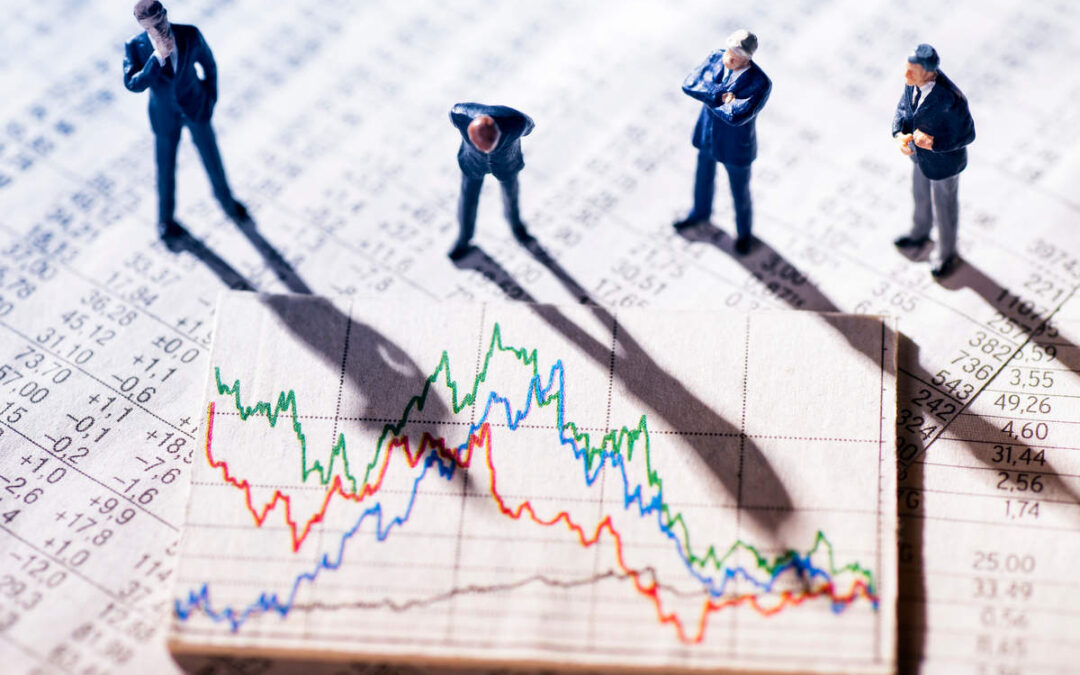
When markets become volatile, it’s natural to feel concerned about your investments. News headlines often focus on market declines, economic uncertainty, and global events that can cause stock prices to fluctuate. While these periods can be uncomfortable, market volatility is a normal part of investing—and understanding that can help investors stay focused on their long-term goals.
What Is Market Volatility?
Market volatility refers to the ups and downs in investment prices over time. Some periods bring steady growth, while others can involve significant swings in either direction.
Although volatility can feel alarming, it’s important to remember that market declines are not unusual. Throughout history, markets have experienced corrections, bear markets, and periods of uncertainty, yet they have consistently recovered and grown over the long term.
The Risk of Emotional Investing
One of the biggest threats to long-term investment success isn’t market volatility itself—it’s how investors react to it.
During periods of uncertainty, investors may be tempted to:
- Sell investments after prices have fallen
- Move entirely to cash out of fear
- Make sudden changes based on headlines
- Abandon a long-term strategy in favor of short-term decisions
Unfortunately, these reactions can lock in losses and cause investors to miss potential recoveries. Some of the market’s strongest days often occur shortly after significant downturns.
Why Staying Invested Matters
Long-term investing is built on the understanding that markets will experience both good years and challenging ones. Investors who remain focused on their financial goals are often better positioned to benefit from eventual market recoveries.
Rather than trying to predict market movements, successful investors typically focus on:
- Maintaining a long-term perspective
- Continuing regular contributions to investment accounts
- Following a disciplined investment strategy
- Avoiding decisions driven by fear or panic
Volatility Can Create Opportunities
While market declines are never enjoyable, they can present opportunities for long-term investors.
When prices fall, investors who continue contributing to retirement accounts or investment portfolios may be able to purchase investments at lower prices. This approach, often called dollar-cost averaging, allows investors to buy more shares when prices are down and fewer shares when prices are higher.
Over time, this disciplined strategy can help reduce the impact of market fluctuations.
The Importance of Diversification
A diversified portfolio can help manage risk during volatile markets.
By spreading investments across various asset classes, industries, and geographic regions, diversification can help reduce the impact of any single investment or market event on your overall portfolio. While diversification cannot eliminate risk, it can help smooth returns over time and support a more balanced investment approach.
Keep Your Focus on the Long Term
Market volatility is inevitable, but it doesn’t have to derail your financial plan. A well-designed investment strategy should account for periods of uncertainty and remain aligned with your goals, timeline, and risk tolerance.
Instead of focusing on daily market headlines, focus on the factors you can control: maintaining a diversified portfolio, staying invested, and following a disciplined financial plan.
Remember, successful investing isn’t about avoiding volatility—it’s about navigating it with patience, perspective, and a long-term mindset.
Recent Comments